
The allure of colors and sounds
The design of casino games is intricately intertwined with the use of colors and sounds, both of which play pivotal roles in attracting players. Bright, vibrant colors such as red, green, and gold are commonly used, as they evoke feelings of excitement and anticipation. These colors can stimulate the brain’s reward centers, suggesting potential wins and keeping players engaged longer, especially when they explore online casino sister sites that enhance the experience. By creating a visually stimulating environment, casinos can draw in players and encourage them to participate in games for extended periods.
Sound design is equally important in the realm of casino games. The use of specific auditory cues—like the ringing of slots and the celebratory sounds of a winning hand—can trigger positive emotional responses. Such cues not only enhance the gaming experience but also reinforce the idea of winning, which can lead to increased playtime. The thoughtful integration of audio and visual elements is carefully curated to create an inviting atmosphere that keeps players coming back for more.
The psychology behind these choices lies in our inherent responses to sensory stimuli. The thrill of a potential win is heightened by the immediate feedback provided through sounds and visuals. This reinforces behavior through positive reinforcement; when players hear that joyous jingle upon a win, they are more likely to associate that sound with positive feelings and return to the game, perpetuating the cycle of play. This sensory overload is not merely entertaining; it is a strategic choice designed to keep players engaged longer than they might have initially intended.
The concept of near misses
Near misses in casino games are a psychological phenomenon that significantly influences player behavior. A near miss occurs when a player almost wins—a situation where the outcome is tantalizingly close to a victory, such as two matching symbols on a slot machine followed by a different symbol. This scenario is crucial because it triggers a sense of hope and excitement. Players may perceive near misses as a sign that they are close to winning, encouraging them to continue playing in hopes of achieving that elusive win.
Research in behavioral psychology shows that near misses can lead to increased gambling behavior, contrary to rational thought where one might expect to walk away after a loss. This is rooted in the way our brains interpret these situations. Instead of feeling discouraged by the loss, players often feel motivated to keep engaging with the game, convinced that a win is just around the corner. This cognitive distortion can lead to prolonged play and, in some cases, problematic gambling behavior, as players chase the elusive victory that seems just within reach.

The strategic implementation of near misses in game design is deliberate and highly effective. Game developers understand how close encounters with victory can manipulate player psychology, and they craft games to include these moments. By framing losses in a less negative light, casinos can maintain player engagement, ensuring that individuals keep feeding coins into machines or placing bets in anticipation of that next win. This carefully balanced design element plays a crucial role in sustaining player interest and involvement in the gaming experience.
The role of game mechanics
The underlying mechanics of casino games are meticulously designed to cater to psychological triggers. For instance, many games incorporate random number generators, creating an unpredictable experience that keeps players on their toes. This unpredictability engages the brain’s reward system, making players eager to discover the next outcome. The variability of wins and losses keeps the experience fresh and exciting, a design choice rooted in the principle of reinforcement schedules used in behavioral psychology. The element of surprise is a powerful tool that keeps players returning for more, as each spin or hand offers a new chance at victory.
In addition to randomness, many games utilize features such as bonuses, multipliers, and free spins to heighten the appeal. These mechanics not only provide players with opportunities for potential winnings but also enhance their emotional investment in the game. Players often become focused on achieving these bonuses, which can create a sense of urgency and excitement. This psychological push leads them to engage more, resulting in longer sessions and, often, increased spending, as the allure of additional rewards keeps them at the gaming table or machine.
Moreover, the competitive element of some casino games, such as poker or blackjack, introduces a social aspect that further engages players. The interaction between players can heighten emotional responses, leading to a mix of excitement and tension that is hard to replicate in solitary games. This interaction can amplify the psychological stakes, making players more willing to risk their resources in pursuit of a win against others. The social dynamics within these games add a layer of complexity, creating an environment where players are not only invested in their own success but also in the outcomes of their competitors.
The influence of rewards and incentives
Casino game designs heavily rely on the principles of rewards and incentives to maintain player engagement. Most games are structured to provide immediate rewards, which generate excitement and a sense of achievement. These rewards can come in various forms, such as small wins, bonuses, or progressive jackpots. The thrill associated with receiving these rewards keeps players coming back, as they seek to replicate the feelings of victory and gratification that come with winning. This immediate feedback loop is a fundamental aspect of gaming that reinforces continued play.
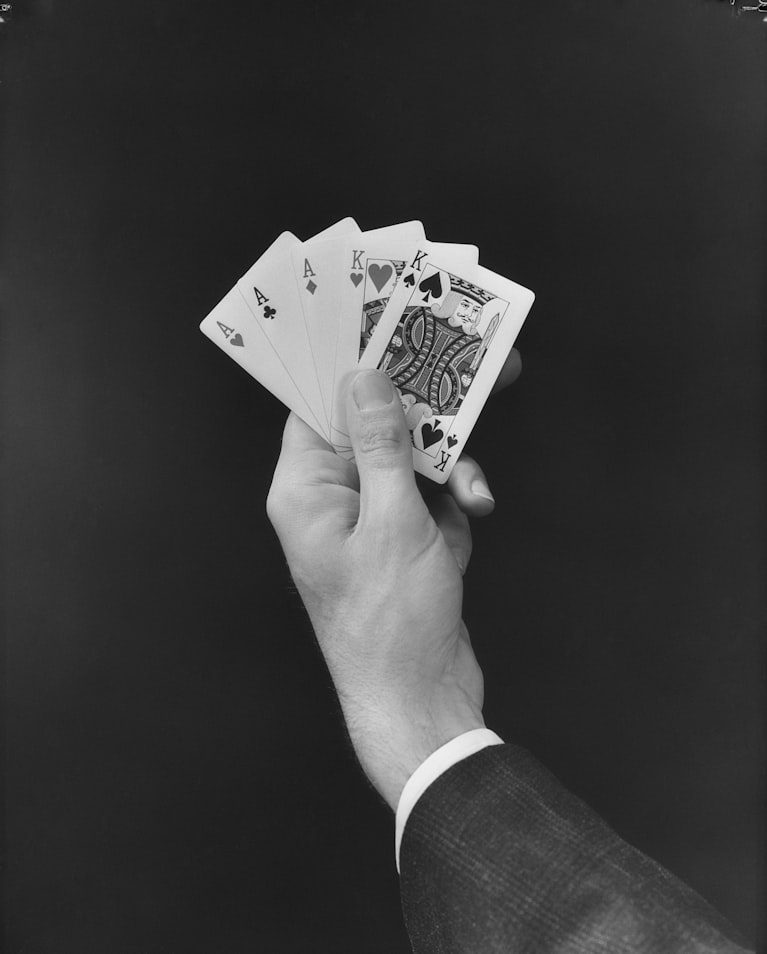
In addition to immediate rewards, casinos often implement loyalty programs and promotions, further incentivizing players to return. This could include free spins, cashbacks, or exclusive access to events. The prospect of earning rewards over time taps into the psychology of delayed gratification, where players are encouraged to continue their gameplay in the hopes of accumulating significant benefits. The allure of these incentives not only enhances the gaming experience but also encourages a deeper emotional connection to the establishment, as players feel valued and recognized for their loyalty.
The strategic use of rewards and incentives in game design goes beyond simple monetary gains. By addressing emotional needs such as belonging and recognition through status levels in loyalty programs, casinos can create a community feel among players. This sense of belonging fosters a deeper attachment to the games or casinos themselves, making individuals more likely to return and participate regularly. The psychological impact of community and recognition cannot be underestimated; it transforms gambling from a solitary activity into a shared experience that players cherish.
Understanding player behavior through data
Modern casinos are leveraging advanced analytics and data to gain insights into player behavior, allowing for more tailored gaming experiences. By tracking gameplay patterns, time spent on games, and player preferences, casinos can refine their offerings. This data-driven approach enables casinos to understand what keeps players engaged, optimizing game designs accordingly. For instance, if data shows that players are more likely to stay engaged with games that have specific themes or mechanics, casinos can allocate resources to enhance those elements, ensuring they resonate with their audience.
Moreover, understanding player behavior through data also helps casinos develop targeted marketing strategies. By recognizing trends and preferences, casinos can create promotions that resonate with specific segments of their audience. This personalization increases the likelihood of attracting and retaining players, as they feel understood and appreciated. Such strategies are prevalent in online gaming platforms, where tailored experiences can vastly improve player satisfaction and loyalty, creating an environment where players feel a sense of ownership over their gaming experiences.
Ultimately, the intersection of psychology, data analytics, and game design creates a feedback loop where casinos can continuously evolve their offerings to meet player expectations. This ongoing refinement is crucial in an industry that thrives on competition and innovation, ensuring that casinos remain captivating and engaging for all players. As technology advances, the ability to understand and cater to player behavior serves as a significant advantage in the ever-evolving landscape of gaming, allowing casinos to stay ahead of trends and player preferences.